Finding the Right caregiver education resources for Your Journey
Caring for an older adult often feels like a solo marathon. You learn by doing, sometimes making mistakes that weigh on you later. I have walked that road with my own mother, and I know how easy it is to get lost in medical jargon, insurance forms, and daily fatigue. What helped me most was discovering that I did not have to figure everything out alone. Reliable caregiver education resources turned my confusion into a workable plan, and they can do the same for you.
Melbourne, Florida, has a growing network of support for families navigating senior care. Whether you are looking into assisted living, memory care, or simply trying to keep a loved one safe at home, the right knowledge makes all the difference. The Florida Department of Elder Affairs offers a state-specific guide to benefits and services, but local organizations like the Melbourne Regional Chamber also connect caregivers with workshops and referral lists. The key is knowing where to look and what questions to ask.
Why Education Matters More Than You Think
Caregiving is not instinctive. Even if you have a background in healthcare, the emotional load of managing someone else's medications, appointments, and daily mood shifts requires a different skill set. Without proper training, burnout is almost certain. That is where caregiver education resources step in. They teach you practical skills like how to lift someone safely, how to communicate with someone who has dementia, and how to navigate Medicare paperwork.
One of the first places I turned to was the National Institute on Aging. Their online publications are free and written in plain language. They cover everything from choosing a nursing home to understanding the side effects of common medications. Another excellent source is the Alzheimer's Association, which runs local support groups and care training sessions. In Melbourne, they host regular family education events that cover memory care techniques and behavioral management. Sitting in one of those sessions gave me more confidence than any book ever could.
Building a Personal Learning Plan
Not every resource fits every situation. A family caring for a parent with early-stage dementia needs different information than someone whose spouse just had a stroke. That is why I recommend creating a short list of trusted organizations and then digging into their specific offerings. The Family Caregiver Alliance publishes state-by-state fact sheets and an online caregiver library. The Caregiver Action Network provides a free online toolkit with videos, checklists, and printable forms. Both are excellent starting points.
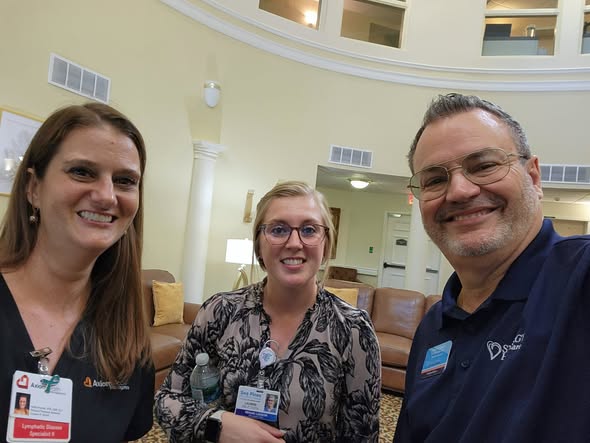
For those who prefer in-person learning, the Melbourne area has several options. Home Instead and BrightStar Care both offer free caregiver training workshops that cover safety, nutrition, and medication management. Visiting Angels hosts monthly talks on respite care and how to arrange short breaks without guilt. I attended one of their sessions last year, and the presenter shared a simple checklist for evaluating assisted living facilities that I still use when helping friends research options.
Digital Tools and Local Connections
The internet is full of advice, but not all of it is reliable. I have learned to stick with sites that have a clear editorial process. SeniorCare.com and Caring.com both publish detailed reviews of senior living communities, including those in Brevard County. They also maintain directories of local services like home health aides and meal delivery programs. The Eldercare Locator, run by the National Institute on Aging, is another trustworthy tool. You can call or search online to find resources near any zip code, including Melbourne.
But digital tools only go so far. Real connections happen when you talk to people who have been where you are. The Melbourne Regional Chamber hosts caregiver networking events twice a year, and the Florida Department of Elder Affairs runs a helpline staffed by trained counselors. I also recommend joining a local support group through the Alzheimer's Association or the Caregiver Action Network. Hearing someone else describe the same frustration I felt about hospital discharge planning made me feel less alone.
Using Self-Assessment Tools
One of the most useful things I discovered early on was the Caregiver Stress Test. It is a short questionnaire that helps you gauge your own stress level before it becomes overwhelming. I took it about six months into caring for my mother, and the results shocked me. I was at high risk for burnout. That test pushed me to finally arrange respite care through a local agency. Respite care gave me a few hours each week to recharge, and it kept me from making poor decisions out of exhaustion.
The Family Caregiver Alliance also offers a self-assessment tool specifically for caregivers of older adults. It asks about your emotional state, your support network, and your knowledge of medical tasks. After completing it, I realized I needed more training on Medicare billing. I found a free webinar through the National Institute on Aging that explained the basics of Part A, Part B, and Part D. That single hour of education saved me from a costly mistake when my mother's prescription coverage lapsed.
Local Directories and Placement Services
When the time comes to consider assisted living or memory care, local senior placement services can be invaluable. They typically charge no fee to families because they receive a commission from the facility. In Melbourne, companies like Senior Placement Services and the team at Hibiscus Court offer free consultations. They walk you through the differences between independent living, assisted living, and skilled nursing, and they help you compare costs and amenities.

Hibiscus Court, for example, is a well-regarded assisted living community in Melbourne that emphasizes person-centered care. Their staff regularly participates in training through the Assisted Living Federation of America, which means they stay current on best practices. When I toured their facility, the director handed me a folder of caregiver education resources that included a local guide to Medicaid waivers. That kind of practical help is rare, and it made a strong impression on me.
Evaluating Quality in Assisted Living
Not all assisted living facilities are equal. I have visited places where the staff seemed overwhelmed and the activities calendar was mostly blank. To avoid those situations, I rely on the Assisted Living Federation of America's quality checklist and on reviews from AARP's online community. AARP publishes member reviews of senior living communities across the country, including many in Brevard County. Their rating system covers everything from cleanliness to staff responsiveness.
Another resource I trust is the Eldercare Locator, which can connect you with state ombudsmen who advocate for residents. The Florida Department of Elder Affairs also maintains a searchable database of licensed assisted living facilities, complete with inspection reports. When I was helping a neighbor find a place for her father, we used that database to rule out several facilities with violations. Knowledge like that prevents heartache later.
Financial Help and Legal Guidance
Money is often the biggest stressor for caregivers. Medicare covers some home health services but not long-term custodial care. The National Institute on Aging offers a clear guide to what Medicare does and does not pay for, and the Florida Department of Elder Affairs has a list of local agencies that provide financial counseling. If your loved one is a veteran, the Department of Veterans Affairs also offers aid and attendance benefits that can offset assisted living costs.
I also recommend connecting with the Caregiver Action Network's legal resource page. They explain power of attorney, advance directives, and guardianship in plain language. I used their sample forms to start a conversation with my mother about her wishes, which was hard but necessary. Having those documents in place made every subsequent medical decision easier.
Creating Your Own Support System
No single organization can cover everything. The best approach is to build a network of trusted sources. Start with the Eldercare Locator and the Florida Department of Elder Affairs for local services. Add the Alzheimer's Association or the Family Caregiver Alliance for condition-specific guidance. Use AARP and the Caregiver Action Network for advocacy and legal help. And when you need a break, call a local respite care provider or join a support group through the Melbourne Regional Chamber.

I still keep a folder of caregiver education resources on my nightstand. It includes a printout from the National Institute on Aging about medication management, a pamphlet from the Alzheimer's Association about communication techniques, and a list of local home care agencies like Home Instead and BrightStar Care. Every time I feel lost, I pull out that folder and remind myself that I am not starting from scratch. Someone else has already figured out the basics, and they shared it for free.
The journey is long, but you do not have to travel it without a map. Start small. Pick one resource from this article and explore it this week. Then add another. Before you know it, you will have the confidence to handle whatever comes next. And when someone else asks you for advice, you will know exactly where to send them.